Wear-resistant steel plates, with their high hardness, high toughness, high temperature and corrosion resistance, and good processing performance, can significantly extend the service life of equipment, reduce maintenance costs, and provide reliable protection under a variety of harsh working conditions.
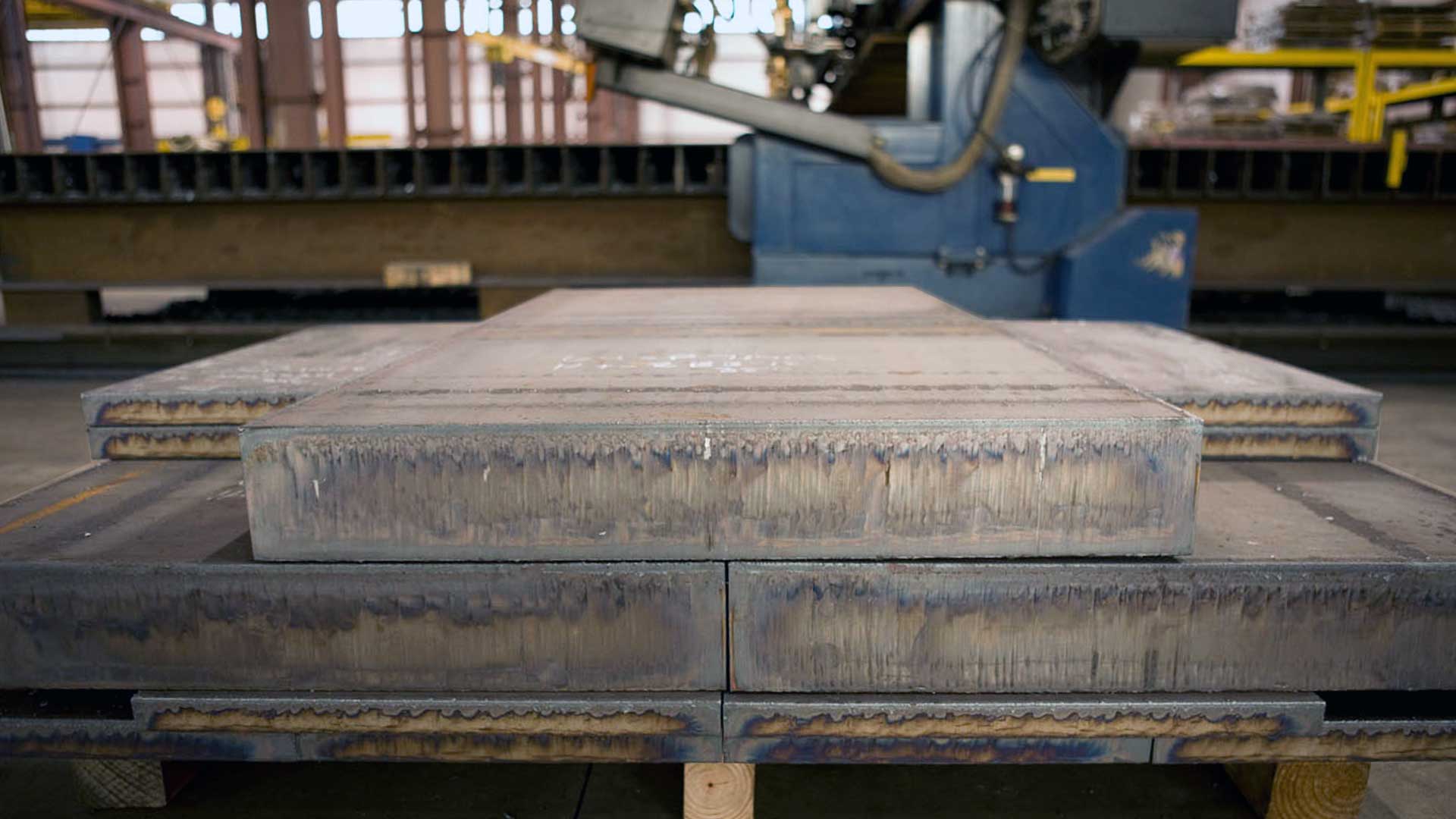
Wear-resistant steel plates, with their high hardness, high toughness, high temperature and corrosion resistance, and good processing performance, can significantly extend the service life of equipment, reduce maintenance costs, and provide reliable protection under a variety of harsh working conditions.
Excellent Wear Resistance By adding alloying elements such as chromium, manganese, and silicon, wear-resistant steel plates surpass ordinary steel in both hardness and wear resistance, effectively resisting various wear mechanisms such as impact, cutting, and abrasion.
High Impact Toughness For operating conditions subject to high impact loads, wear-resistant steel plates offer enhanced toughness, preventing equipment downtime due to brittle fracture.
High-temperature and corrosion-resistant The alloy's composition ensures it maintains strength even in high-temperature environments (over 500°C) while also offering a degree of corrosion resistance, making it suitable for high-temperature, highly corrosive environments such as blast furnaces and converters.
Good Machinability Despite its high hardness, the wear-resistant steel plate can still be cut, bent, and welded, facilitating on-site installation and subsequent maintenance.
Long service life and low overall cost Due to its wear-resistant, impact-resistant, and high-temperature-resistant properties, component replacement cycles are significantly extended, significantly reducing maintenance costs and downtime losses. The overall cost-effectiveness is 2–4 times higher than that of ordinary steel plates.
Wide Range of Applications This material has proven applications in a variety of high-wear industries, including mining and transportation machinery, construction machinery, metallurgical equipment, and the power industry, meeting the demands of diverse working environments.
Flexible Selection Based on Working Conditions Different hardness grades (such as AR400, AR500, and NM450) can be selected based on load, impact energy, operating temperature, and other working conditions to achieve the optimal balance between hardness and toughness.


