The core function of steel bars is to serve as the "tensile skeleton" of the building structure. They work in conjunction with concrete to make up for the weak tensile strength of concrete, jointly bear the load and external forces of the building, and ensure the safety and stability of the structure.
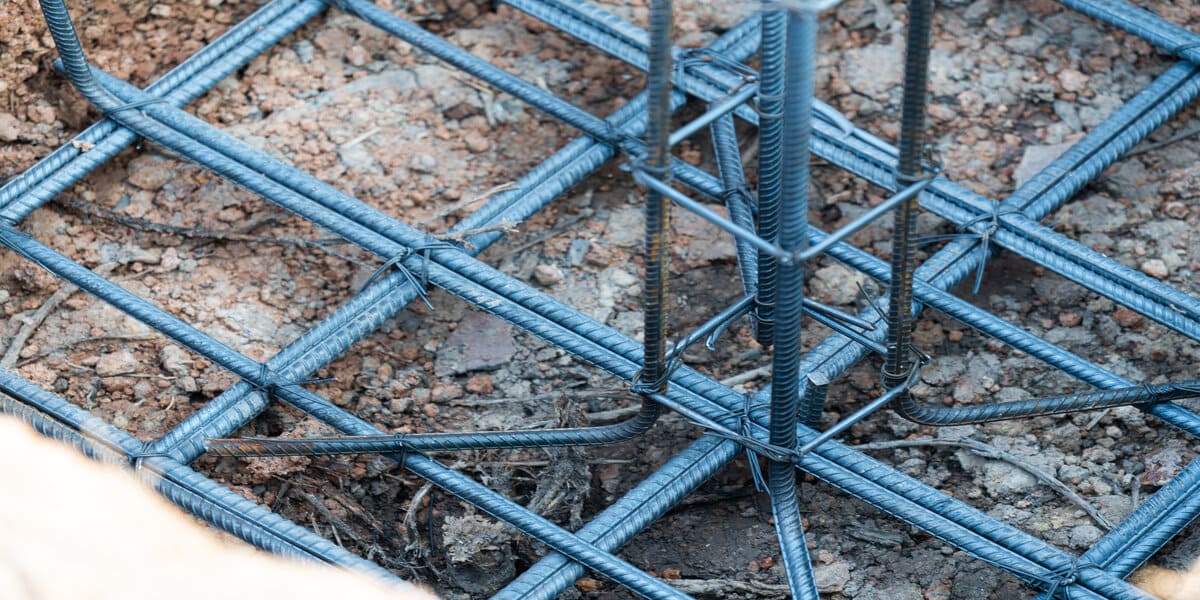
The core function of steel bars is to serve as the "tensile skeleton" of the building structure. They work in conjunction with concrete to make up for the weak tensile strength of concrete, jointly bear the load and external forces of the building, and ensure the safety and stability of the structure.
Providing Tensile StrengthConcrete itself has strong compressive strength but weak tensile strength. The high tensile strength of steel bars compensates for this weakness in concrete, enabling the structure to withstand tensile stresses such as tension and bending moments.
Improving overall stiffness and toughnessRebar and concrete form a composite material. Working together, they enable the structure to maintain both stiffness and ductility under load, preventing brittle failure.
Controlling Crack DevelopmentCracks form when concrete is subjected to tension or bending. The restraining effect of steel bars can limit the expansion of cracks, maintaining the integrity and durability of the structure.
Distributing and transferring loadsReinforcement mesh or tendons can evenly distribute localized loads over a larger area of concrete, reducing stress concentrations and increasing the structure's load-bearing capacity.
Improved seismic performanceDuring earthquakes, the ductility of steel bars can absorb and dissipate energy, minimizing structural damage and improving seismic safety.
Summarize Steel bars enable concrete structures to meet various engineering requirements by providing tensile strength, enhancing stiffness and toughness, controlling cracks, distributing loads, and improving seismic performance, making them an indispensable key material in modern construction.


