Metal materials are a broad class of engineering materials whose properties mainly come from the structural characteristics of metal bonds.
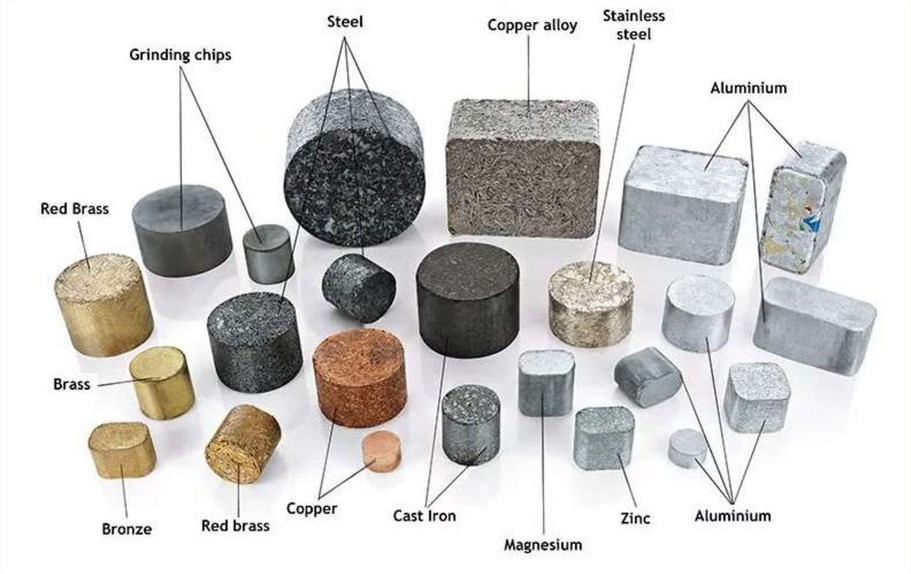 1.Mechanical Properties
Mechanical properties are the core characteristics of metal materials.
Strength: The ability of a metal material to resist plastic deformation or fracture.
Plasticity: The ability to permanently deform without breaking under external forces.
Hardness: The ability to resist the impact of hard objects on the surface.
Toughness: The ability to absorb energy before breaking, preventing brittle fracture.
Elasticity: The ability to return to its original shape after the external force is removed.
2. Physical PropertiesConductivity: Most metals have excellent electrical conductivity due to the easy directional movement of free electrons.
Thermal Conductivity: They conduct heat well.
Magnetism: Some metals, such as iron, cobalt, and nickel, are ferromagnetic and can be used to make magnets; most metals are paramagnetic or diamagnetic. Density: Density varies greatly. Light metals (aluminum and magnesium, with densities <5 g/cm2) are used in aviation; heavy metals (lead and copper) are used for counterweights, etc.
Melting Point: High-melting-point metals (tungsten, melting point 3422°C) are used in lamp filaments; low-melting-point metals (tin and lead) are used in solder.
3. Chemical PropertiesCorrosion Resistance: Gold and platinum are chemically stable and resistant to acids and alkalis. Ordinary metals are prone to rust and require galvanizing or alloying to improve their corrosion resistance.
Oxidation Resistance: The ability to resist oxidation at high temperatures.
Chemical Reactivity: Active metals such as aluminum and zinc react readily with oxygen, forming an oxide film on their surfaces.
4. Processing PropertiesForgeability: The ability to withstand plastic deformation after heating;
Weldability: The ease with which a material can be welded to form a strong joint;
Machinability: The ease with which it can be cut by a tool;
Castability: The ability of molten metal to fill a mold.
5. Functional PropertiesShape memory effect: After deformation, the material can be restored to its original shape upon heating.
Superconductivity: Zero electrical resistance at low temperatures.
Hydrogen storage properties: Titanium and zirconium alloys, for example, can absorb hydrogen and are therefore used as hydrogen storage materials.

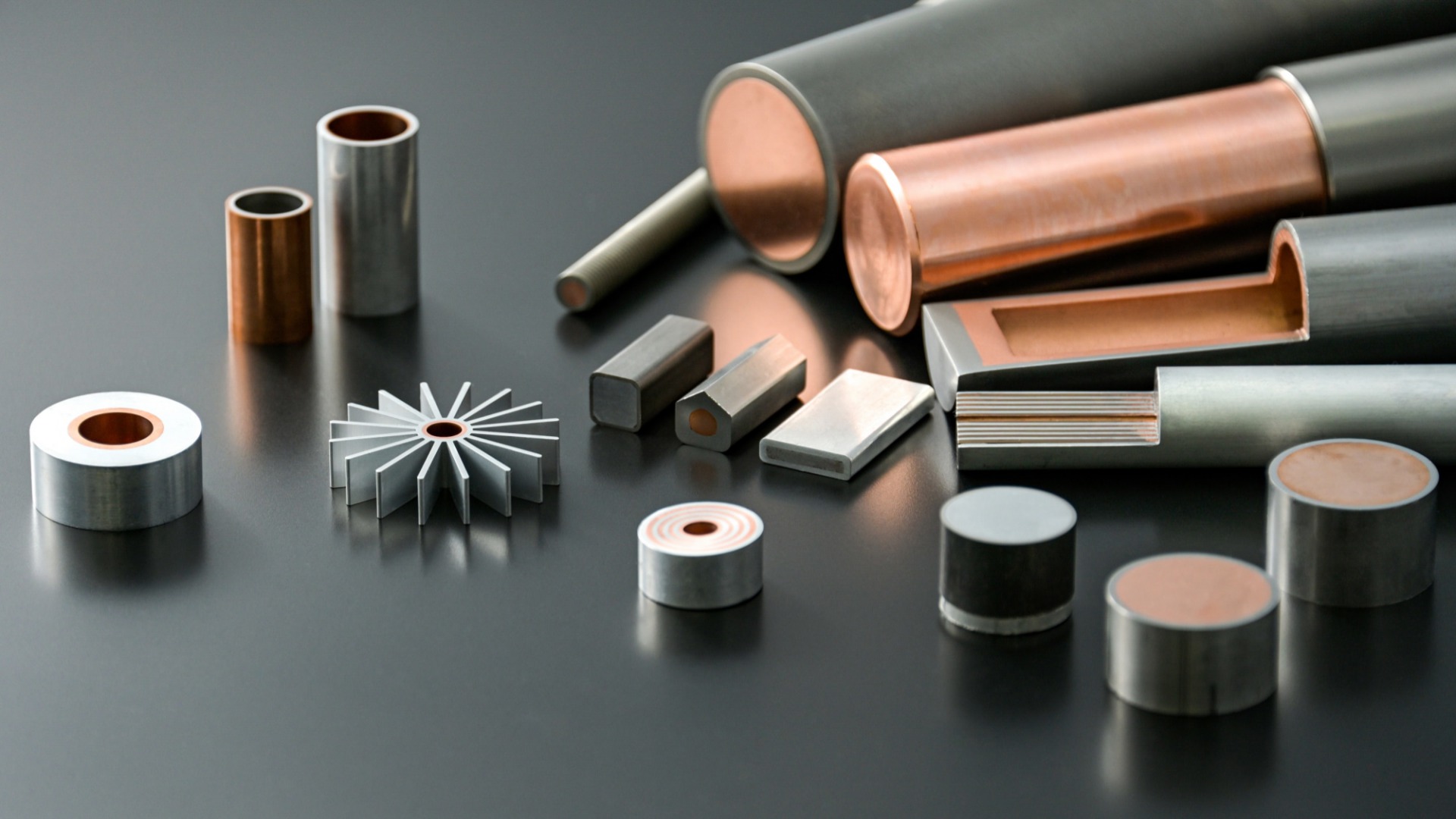
The properties of metals lend them to a wide range of applications in engineering, manufacturing, and everyday life. The combined characteristics of their physical, mechanical, chemical, and processing properties determine their potential for diverse applications. With the advancement of materials science, the properties of metals are constantly being optimized to meet the demands of increasingly demanding applications.


