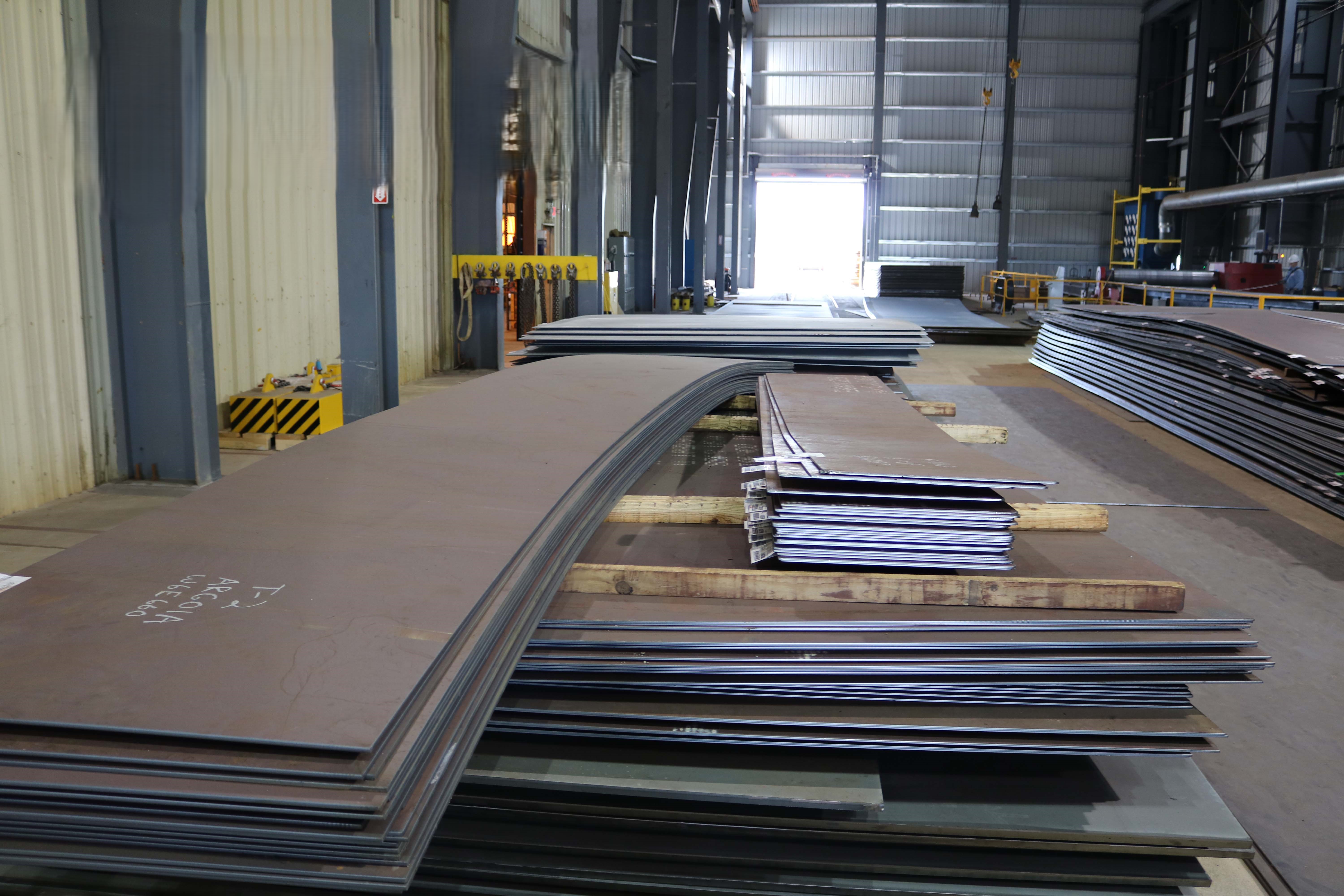
Marine steel plates and ordinary steel plates are essentially steel, but in order to adapt to the extremely harsh conditions of the marine environment, marine steel plates are very different in standards, performance and certification.
The core difference between marine steel plates and ordinary steel plates stems from the fundamentally different application scenarios. Ships must endure long-term seawater corrosion, wind and wave impact, low-temperature environments, and complex stresses. Therefore, marine steel plates are specially designed in terms of performance, standards, and production processes. The specific differences are as follows:
Performance Requirements:1. Corrosion Resistance: Marine steel plates must withstand high-salt, high-humidity marine environments. Resistance to seawater corrosion and marine biofouling is enhanced by adding alloying elements such as copper, chromium, and nickel, or by employing special surface treatment processes. Ordinary steel plates are mostly designed for atmospheric environments and have poor resistance to salt spray and moisture corrosion. They are prone to rapid rusting after long-term exposure to marine environments.
2. Mechanical Properties: Marine steel plates have extremely high requirements for strength and toughness, especially low-temperature toughness. For example, high-strength marine plates (such as AH32 and DH36) must meet impact toughness specifications at specific temperatures (ranging from -20°C to -60°C) to prevent brittle fracture during ship navigation in polar regions or cold waters. The mechanical properties of ordinary steel plates only meet general structural requirements, and low-temperature toughness and impact resistance are not specifically optimized.
3. Welding performance: Shipbuilding requires a large amount of welding work. Marine steel plates must have excellent welding compatibility. The strength and toughness of the welds after welding must be highly matched with the parent material, and defects such as cracks and pores are not likely to occur. The welding performance of ordinary steel plates only meets basic welding requirements, and performance degradation is prone to occur in complex welding processes or thick plate welding.
Implementation Standards: Marine steel plates must comply with the standards of the International Association of Classification Societies (IACS) and the specialized standards of various national classification societies (such as China's CCS, the US's ABS, and Norway's DNV). The production process must undergo rigorous quality certification, and each batch of products must provide complete mechanical property reports and non-destructive testing reports to ensure traceability. Ordinary steel plates primarily adhere to general structural steel standards (such as GB/T700), which have broader requirements. Quality control focuses on general mechanical properties and dimensional accuracy, and does not have compliance requirements specific to the shipbuilding industry.
Production Process:1. Raw Materials and Smelting: Marine steel plates are typically made from high-quality scrap steel or molten iron. The content of harmful elements such as sulfur and phosphorus is precisely controlled (typically requiring S ≤ 0.025% and P ≤ 0.035%) through a converter-refining furnace (LF/VOD) process to prevent impurities from affecting the steel's toughness. Standard steel plates have relatively loose requirements for raw material purity and smelting processes, allowing for a wider range of control over harmful elements.
2. Rolling and Heat Treatment: Marine steel plates are often produced using the controlled rolling and cooling (TMCP) process. By precisely controlling the rolling temperature, speed, and cooling process, the grain structure is refined and the strength and toughness of the steel are enhanced. Some high-strength marine plates also undergo quenching and tempering heat treatment to further optimize performance. Standard steel plates are typically produced using conventional hot rolling, with heat treatment only targeted for specific needs (such as high-strength steel), resulting in a less complex process. 3. Quality Inspection: Marine steel plates must undergo 100% non-destructive testing (ultrasonic testing, magnetic particle testing, etc.) to check for internal cracks, inclusions and other defects to ensure there are no hidden dangers that may affect safety. Non-destructive testing of ordinary steel plates is mostly random inspections, and the inspection standards and coverage are far lower than those for marine steel plates.
 Applications
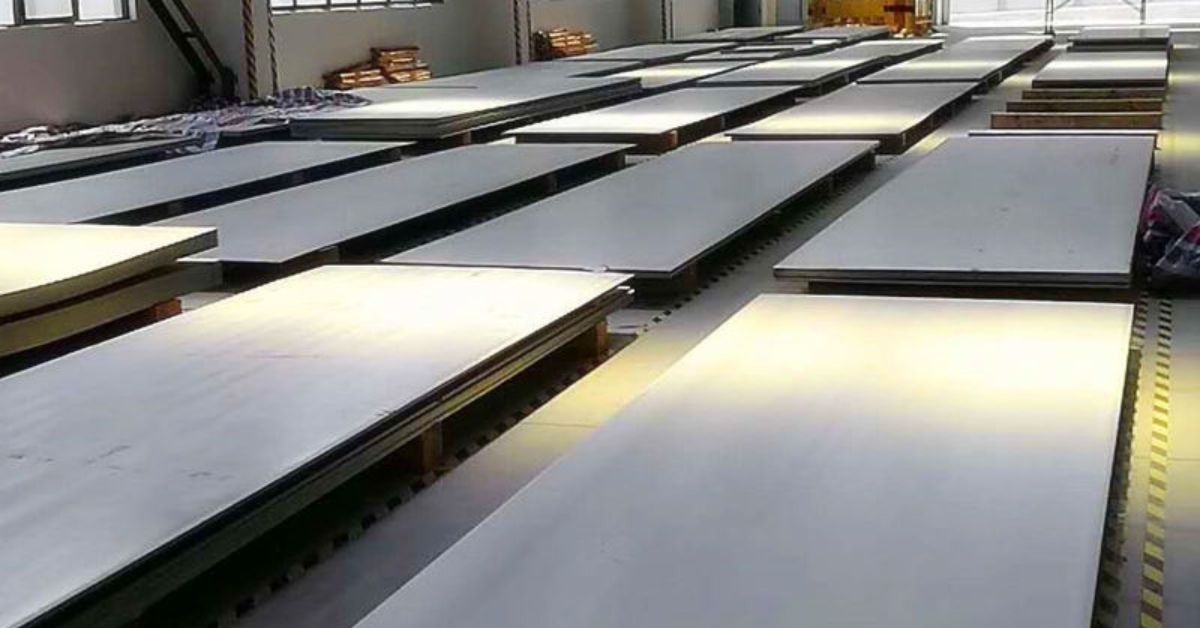
 Marine steel plates are primarily used in ship structures (hulls, decks, keels), offshore platforms, and marine equipment. They are directly related to navigation safety and are considered high-safety, specialized materials. Ordinary steel plates are widely used in building structures, machinery manufacturing, and everyday items, focusing on versatility and cost-effectiveness, without having to withstand the extreme challenges of the marine environment.
Simply put, marine steel plates are special steels tailored for "extreme marine working conditions", while ordinary steel plates are basic steels that meet "general scenarios". The difference between the two is essentially the difference between "specialization" and "generality", which also determines their significant gaps in performance, standards and costs.


